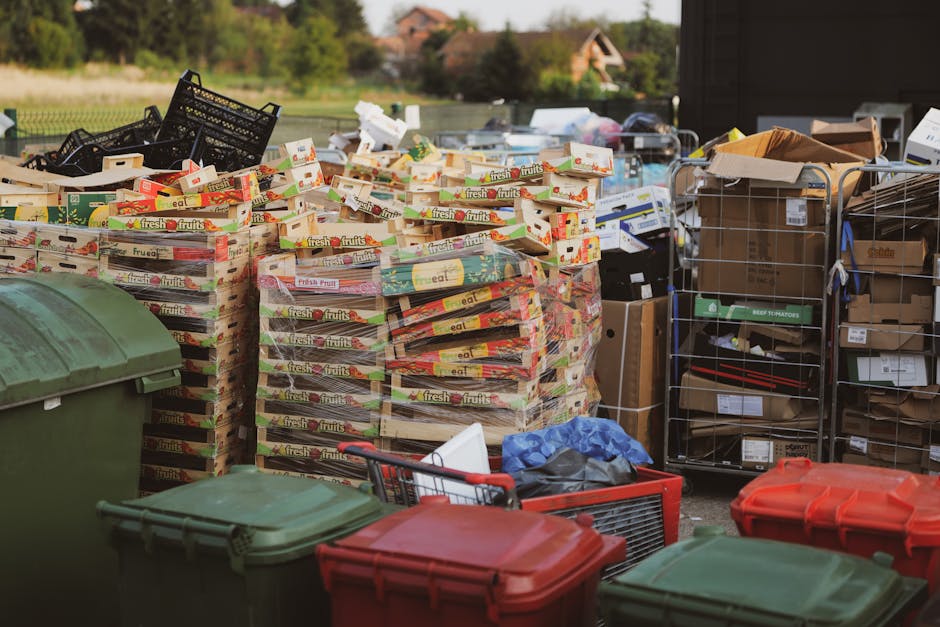
Rubbish collection Shortlands Village BR2 guide for residents

If you live in Shortlands Village, BR2, rubbish can pile up quickly, and it never seems to happen at a convenient time. One week it is a broken wardrobe, the next it is garden cuttings, old boxes, and a fridge that has been sitting in the corner far too long. This Rubbish collection Shortlands Village BR2 guide for residents is here to make the whole thing feel simpler, clearer, and a lot less annoying.
In practical terms, rubbish collection is about getting unwanted items removed safely, legally, and with the least disruption to your day. That can mean a one-off clearance, recurring waste removal for a home or flat, or help with bulky items that do not fit into normal household bins. Below, you will find a plain-English guide to how it works, what to watch out for, and how to choose the right approach for your property.
It is not glamorous, let's face it. But getting waste handled properly keeps your home tidier, avoids fly-tipping risks, and saves you from the classic "I'll deal with it later" pile-up. And later, as we all know, has a habit of turning into next month.
Why Rubbish collection Shortlands Village BR2 guide for residents Matters
Waste is one of those everyday jobs that quietly affects everything else. If rubbish is left too long, it starts to take over storage areas, make entrances awkward, and create a general sense of mess that is hard to ignore. In a village-style residential area like Shortlands Village, where homes, flats, driveways, and shared access points often sit close together, that matters even more.
Good rubbish collection is not only about convenience. It also helps with safety, neighbour relations, and keeping pathways clear. A stack of old furniture in a hallway or a bag of broken items near a bin area can become a trip hazard in no time. If you have ever tried to squeeze past a pile of flattened cardboard while carrying shopping, you will know exactly what I mean.
There is also the local-life side of it. Residents often want a service that works around real schedules: school runs, work-from-home days, builders coming and going, the lot. A good collection plan should fit around your home, not make the home fit around the waste.
Practical takeaway: the best rubbish collection system is the one that removes clutter quickly, keeps your property safe, and avoids last-minute stress.
For residents with larger clearances, it can help to think beyond simple bin day waste. A proper service can support one-off removal of bulky household items, loft clear-outs, garage clutter, garden waste, or mixed loads that are awkward to sort on your own. If that sounds familiar, pages like home clearance and house clearance are useful places to start when planning a bigger job.
How Rubbish collection Shortlands Village BR2 guide for residents Works
In a residential setting, rubbish collection usually follows a simple sequence: identify the waste, decide what needs removing, arrange a collection, and prepare the items for access. That sounds basic, but the details matter. Mixed household rubbish is not the same as garden waste, and a sofa is not the same as a bag of attic clutter. Different waste streams can affect how the job is planned.
Most people will fall into one of three patterns:
- General household rubbish collection for mixed unwanted items, bags, boxes, and day-to-day clutter.
- Bulky item collection for furniture, appliances, mattresses, and other large pieces.
- Specialist waste removal for items needing extra care, such as electricals or potentially hazardous materials.
If you are only dealing with a few small items, the process can be quite quick. If you are dealing with a full room, a loft, or a garage that has become a bit of a time capsule, it takes more planning. And yes, almost every loft in Britain contains at least one box you forgot you owned.
The best services will ask sensible questions before collection: what type of waste, how much of it, whether there are stairs or narrow access points, and whether any items need to be handled separately. That helps reduce delays on the day and keeps the collection efficient.
For residents comparing broader waste options, waste removal is a helpful overview page, while book online can be useful when you already know what needs shifting and want to arrange a slot without faffing about.
Key Benefits and Practical Advantages
The obvious benefit of rubbish collection is that the junk disappears. But the real value goes a bit deeper than that.
- Less clutter, more usable space. Spare rooms, garages, and hallways become usable again.
- Safer access. Clear routes matter in shared entrances, stairwells, and driveways.
- Better time management. You avoid hiring a van, begging a friend with a trailer, or making multiple trips to a recycling centre.
- More flexibility. One-off collections can be arranged around your schedule, which is especially useful during moves or refurbishments.
- Improved recycling outcomes. Sorting and separating materials properly makes reuse and recovery more realistic.
There is also a psychological benefit people often underestimate. A cleared space tends to feel calmer immediately. You see the floor again. The room breathes a bit. That might sound slightly dramatic, but anyone who has cleared a cluttered flat or office knows the feeling.
For specific items, it can also be better to use dedicated disposal routes. If you are dealing with an old settee or bed, for example, the information on mattress and sofa disposal can help you think through the most sensible route. Likewise, if your pile includes a dishwasher, fridge, or washing machine, the dedicated fridge and appliance removal page is worth a look.
Who This Is For and When It Makes Sense
This guide is mainly for Shortlands Village residents who need a practical way to deal with waste that is too much, too awkward, or too bulky for standard bins. That could be anyone from a homeowner clearing a loft to a tenant moving out of a flat. It might even be someone who has finally accepted that the old exercise bike in the corner is not coming back into fashion. Fair enough.
It usually makes sense to book rubbish collection when you are facing one of these situations:
- After a declutter or spring clean
- Before or after a move
- Following a renovation or decorating project
- When garden waste has built up
- After replacing furniture or appliances
- When a landlord, tenant, or agent needs a property cleared quickly
Residents in flats often benefit the most from professional collection because access can be tricky. Narrow stairs, limited parking, and shared entrances can all make DIY removal more trouble than it is worth. For those situations, flat clearance can be a sensible, low-stress option.
If you are managing a family home, a more comprehensive service may be useful. In that case, house clearance or loft clearance may match what you actually need better than a simple one-load pickup.
Step-by-Step Guidance
Here is a straightforward way to approach rubbish collection without overcomplicating it.
- Sort what needs to go. Separate general rubbish, bulky items, recyclables, garden waste, and anything special such as electricals or confidential papers.
- Check access. Look at stairs, gates, parking, and any shared areas. If an item will not fit through a doorway, that needs noting early.
- Estimate the volume. A small pile, half a room, or a full clearance all need different planning. Be honest here. Guessing low tends to backfire.
- Flag special items. Fridges, freezers, paint, chemicals, and other problem items may need specialist handling.
- Choose the right service. A general waste pickup is not always enough. You may need a furniture-focused, garden-focused, or builders waste service.
- Book a suitable time. Pick a slot that allows the team to work without blocking your day or your neighbours.
- Prepare the items. Keep pathways clear, separate anything you want to retain, and make sure the team can access the waste easily.
That final step sounds obvious, but it makes a real difference. A ten-minute tidy-up before collection can save a lot of back-and-forth on the day. Little things, like moving a car or unlocking a side gate, help more than people expect.
If you are planning a mixed job with construction debris, the information on builders waste clearance can help you understand what is usually involved. If it is more of a garage or shed situation, garage clearance may be the better fit.
Expert Tips for Better Results
Small decisions early on tend to save the biggest headaches later. In our experience, the smoothest collections usually come from people who take ten minutes to plan properly before the team arrives.
1. Take photos before booking. Not to be dramatic, but photos make everything easier. They help show volume, item type, and access issues without guessing.
2. Separate reusable items from waste. If there is furniture in decent condition, decide whether it should be cleared, donated elsewhere, or sent for disposal. That decision is easier before the van is at the door.
3. Keep hazardous items apart. Chemicals, solvents, batteries, and similar items should never be mixed blindly into a general pile. If in doubt, ask first.
4. Think about timing. Early morning collections can be ideal if you want the day back. Afternoon slots may suit you better if access is shared or parking is tight. There is no perfect time, only the one that fits your street.
5. Ask how recycling is handled. A good operator should be clear about sorting, recovery, and disposal routes. That does not mean every item can be recycled, but it should mean the process is considered rather than careless.
For people who want to understand how materials are separated, the recycling and sustainability page is a good support resource. It is also worth reading what can go in a skip if you are trying to decide whether a skip-style approach or a collection service is the cleaner fit.
Expert summary: A good rubbish collection job is not just about lifting items away. It is about matching the right service to the right waste, preparing access properly, and avoiding the classic mistake of leaving sorting until the last minute.
Common Mistakes to Avoid
Some collection problems are avoidable from the start, and they usually are.
- Leaving everything mixed together. Mixed waste slows things down and can create avoidable handling issues.
- Underestimating volume. A load that looks small in the corner can become surprisingly large when piled properly.
- Forgetting access details. No parking, locked gates, and awkward stairwells all matter on collection day.
- Assuming every item is ordinary waste. Fridges, mattresses, and electricals often need different treatment.
- Choosing solely on price. Cheap is fine if it still gives you legal handling, punctual service, and clear communication. Cheap without that? Bit of a false economy.
- Leaving it until the last minute. That is how a tidy-up becomes an emergency clear-out.
One common local issue is shared residential space. If you are in a flat or a terraced property near neighbours, leaving waste in communal areas even briefly can cause friction. Better to stage it neatly inside your own property and only move it when collection is ready.
If you are clearing out an office or work-from-home room, do not overlook paperwork and confidential material. The confidential shredding option is worth considering if your pile includes old files, client data, or archived documents that should not be left in a regular bag.
Tools, Resources and Recommendations
You do not need much to organise a rubbish collection, but a few simple tools make life easier.
- Basic labels or sticky notes for separating keep, donate, recycle, and remove piles
- Bin bags, boxes, and tape to keep loose items manageable
- Gloves and sturdy shoes for moving items safely
- A tape measure if you are unsure whether a bulky item will fit through a doorway
- Your phone camera for quick photos of the waste and access route
For larger domestic jobs, the most useful support pages are usually the ones that match the type of clearance you are dealing with. A garden job may need garden clearance, while older furniture is better matched with furniture clearance or furniture disposal.
If your house is packed from attic to front room, a fuller solution may be more practical. That is where home clearance becomes a sensible middle ground between a tiny pickup and a full property emptying.
Law, Compliance, Standards, and Best Practice
Waste handling in the UK should always be treated seriously, even for domestic collections. You do not need to memorise legislation to make a good decision, but you should expect the basics to be handled properly.
That means waste should be collected, transported, and disposed of responsibly. It should not be dumped, left in unsafe places, or mixed with prohibited items without care. If a service is dealing with mixed loads, it should also be clear about how different materials are separated and where specialist items go.
For residents, the practical rule is simple: do not hand waste to anyone who cannot clearly explain what happens to it. If a company cannot talk sensibly about safety, insurance, or disposal processes, that is a red flag. Not a huge neon sign, maybe, but enough of one.
Where specialised waste is involved, extra caution matters. Batteries, chemicals, paint, fridges, and similar items can require specific handling. If your waste includes anything that might be classed as hazardous, read the relevant guidance before booking and disclose it honestly. That helps protect you, the collection team, and your neighbours.
It is also good practice to look for a provider that can explain its approach to safety and customer care in plain English. Pages such as health and safety policy, insurance and safety, and payment and security help build confidence before you book.
Options, Methods, or Comparison Table
Choosing the right rubbish solution depends on what you need removed, how quickly you need it gone, and how much access you have. The table below gives a simple comparison.
| Option | Best for | Strengths | Watch-outs |
|---|---|---|---|
| Bin day / regular household disposal | Small daily waste | Simple and familiar | Not suitable for bulky or mixed clearance |
| Skip-style solution | DIY projects, steady waste output | Handy if you are generating waste over time | Needs space, permits or access planning may be an issue |
| Man and van style rubbish collection | One-off mixed loads and bulky items | Fast, flexible, less lifting for you | Best when item list and access are clear in advance |
| Full property clearance | House, flat, loft, or office contents | Most thorough option | Needs careful planning and sorting |
If you are still unsure, the decision often comes down to space and speed. If waste is building up slowly during a project, a skip may suit. If the job is all happening at once and you want it gone in a single visit, collection is usually more convenient.
The page pricing and quotes can help you think through the budget side without guessing. That is especially useful if you are comparing a one-off collection with a larger clearance job.
Case Study or Real-World Example
Here is a realistic example. A resident in Shortlands Village had just finished a kitchen tidy-up and realised the "temporary" pile in the hallway included two broken chairs, flattened packaging, an old microwave, and several bags of mixed household rubbish. Nothing dramatic on its own, but together it was awkward enough to block the route to the front door.
Rather than trying to deal with it in several small trips, the resident grouped everything by type, checked which items were electrical, and moved the waste into one easy-access point inside the property. The result? The collection was quicker, the hallway was clear by lunchtime, and the resident did not spend the rest of the week stepping around a sad-looking pile of cardboard and regret.
The key lesson is not that the job was large. It was that the job was mixed. Mixed loads benefit from a bit of pre-sorting. Even a rough separation between bulky items, bags, and electricals can save time and reduce confusion on the day.
In another common scenario, a couple clearing a loft after a house move may discover old boxes, a mattress, and a few damaged bits of furniture. That is usually the point where a general rubbish bag strategy stops being realistic. A more complete solution, such as loft clearance paired with proper furniture handling, makes a lot more sense.
Practical Checklist
Use this checklist before arranging collection.
- Have I listed everything that needs to go?
- Have I separated general rubbish from bulky items?
- Do I know if anything is electrical, hazardous, or especially heavy?
- Is the access route clear and easy to explain?
- Have I checked for items I want to keep, sell, or donate?
- Do I have photos ready if I need to describe the load?
- Have I decided whether this is a simple pickup or a fuller clearance?
- Is the timing suitable for the property and neighbours?
- Do I understand the pricing structure before booking?
- Am I clear on what will happen to recyclable or specialist waste?
If you can answer most of those with confidence, you are in pretty good shape. If not, pause and sort the details first. It saves hassle, honestly.
For residents with broader property clearance needs, the most useful next pages are often house clearance, flat clearance, and garage clearance.
Conclusion
Rubbish collection in Shortlands Village BR2 is easiest when you treat it as a practical decision rather than a last-minute chore. Work out what you need removed, how much access there is, and whether you are dealing with mixed waste, bulky items, or a more complete clearance. Once those basics are clear, the rest becomes much more manageable.
The real win is not just a tidier home. It is fewer delays, less stress, and a space that feels usable again. That matters whether you are clearing a flat, a family house, a loft, or just one particularly stubborn corner of the garage.
Get a free quote today and see how much you can save.
And if the task still feels bigger than you thought, that is completely normal. A good plan, a sensible collection, and a little breathing room can make all the difference.
Frequently Asked Questions
What counts as rubbish collection for residents in Shortlands Village BR2?
It usually covers the removal of household clutter, bulky items, mixed rubbish, and other unwanted materials from a home, flat, garage, loft, or garden. The exact service depends on what you need cleared.
Can I book rubbish collection for just one or two bulky items?
Yes, that is a very common use case. A sofa, mattress, appliance, or a couple of large bags can often be collected without needing a full clearance.
Do I need to sort everything before collection?
Not always, but some basic sorting helps. Separating bulky furniture, electrical items, garden waste, and general rubbish makes the job smoother and reduces the risk of delays.
What should I do with fridges, freezers, or washing machines?
Those items usually need separate handling because they are heavy, awkward, or subject to special disposal procedures. It is best to mention them in advance and use a relevant specialist service where needed.
Is rubbish collection better than hiring a skip?
It depends on your situation. A skip can suit ongoing DIY work, while collection is often better for mixed loads, bulky items, and properties with limited space or awkward access.
How much space should I leave for collectors?
Leave a clear route to the waste and, if possible, a parking or stopping point nearby. The less the team has to move items around obstacles, the smoother the visit will be.
Can rubbish collection include furniture from a flat?
Yes. Flats are a very common reason people arrange collections, especially when stairs, narrow hallways, or shared entrances make DIY removal difficult.
What if my waste includes items I am not sure about?
Be honest and ask before booking. If you are unsure whether something is hazardous, electrical, or otherwise restricted, it is better to mention it early than guess wrong.
How do I know if I need a full clearance rather than a simple pickup?
If the waste fills a room, involves several different item types, or needs time to sort and remove, a full clearance is usually more suitable than a basic collection.
Can rubbish collection help after a renovation or decorating job?
Yes, especially if you have mixed debris, packaging, old fixtures, or leftover materials. For heavier building-related waste, a builders clearance option is often the better fit.
What happens if I leave rubbish in a shared hallway or entrance?
That can create safety and neighbour issues, and it is usually better to avoid it. Keep waste inside your own property until collection is ready, then move it out in one go if possible.
Where can I learn more before I book?
You can explore the relevant service pages, compare options, and check practical details such as pricing, sustainability, and item-specific handling. That way, you are choosing the right solution instead of just the quickest one.
If you are ready to get the clutter sorted, start with the service that best matches your load and work from there. A clean space has a quiet kind of relief to it, and once it is done, you really do feel the difference.