Turning Old Packaging and Cardboard Into Useful Resources: The Complete Guide
If you have a teetering stack of boxes by the back door, welcome to the club. Cardboard and old packaging pile up faster than we expect--after a move, a busy ecommerce season, or those irresistible late-night online orders. The good news? With a few smart moves, you can turn that "mess" into value: cash savings, compost, insulation, storage, art supplies, and even marketing tools. Turning old packaging and cardboard into useful resources isn't just eco-friendly--it's efficient, cost-saving, and strangely satisfying. You'll see why.
One rainy Tuesday in London--proper sideways rain--you could almost smell the cardboard dust in the air as we broke down a mountain of parcels. Forty minutes later, the same pile was sorted into neat flat stacks, shredded void fill, and clean sheets for stencils and crafts. Clean, clear, calm. That's the goal.
Table of Contents
- Why This Topic Matters
- Key Benefits
- Step-by-Step Guidance
- Expert Tips
- Common Mistakes to Avoid
- Case Study or Real-World Example
- Tools, Resources & Recommendations
- Law, Compliance or Industry Standards (UK-focused)
- Checklist
- Conclusion with CTA
- FAQ
Why This Topic Matters
Packaging waste is everywhere. In homes, warehouses, studios, cafes. It's not just about tidying up--it's about unlocking value sitting in plain sight. Turning old packaging and cardboard into useful resources shifts us away from a linear "take-make-waste" model to a circular one where materials are used again and again. That's good for your pocket, your space, and, yes, the planet.
In the UK, households and businesses generate significant volumes of paper and cardboard waste every year. According to long-standing guidance from organisations such as WRAP and Defra, cardboard is one of the most recoverable and recyclable materials we handle daily. When properly separated and kept dry, it has very strong market demand. In practical terms: your cardboard is not rubbish--it's a resource.
And let's face it, most of us want to do the right thing, but life gets in the way. You break down a couple of boxes and then more arrive. Before you know it, the hallway's a maze. This guide puts the chaos in order with proven methods you can use today--whether you're managing a family household or a growing SME with a backroom full of boxes.
Quick micro moment: a baker in Bristol told us her Monday ritual now starts with fifteen minutes of box triage--clean boxes get set aside for customer orders; scrappy ones become compost browns for the cafe's herb garden. It's small. It's real. And it works.
Key Benefits
1) Lower Costs
Reuse packaging and you buy less of it. Shred boxes for void fill and you can skip expensive bubble wrap. For SMEs, baling cardboard can even generate rebate income when market conditions are right. It's not a fortune--but it's a neat offset, especially when budgets are tight.
2) Less Clutter, More Space
Flattened and sorted cardboard takes up a fraction of the space. No more stumbling over random boxes in the corridor or using the guest bedroom as a warehouse. A clean, functional workspace does wonders for morale. Feels good, too.
3) Environmental Impact
Turning old packaging and cardboard into useful resources keeps material circulating and reduces the need for virgin fibre. Reducing waste and protecting forests is a long game. Every reuse, every bale, every compost layer helps.
4) Brand Reputation and Customer Trust
Customers notice when you ship with recycled or reused materials--and when you talk honestly about it. A simple note inside the box ("We reused clean cardboard to protect your order") builds trust. It's authentic, and it sets the right tone.
5) Compliance and Risk Reduction
For UK businesses, a clear waste management plan supports compliance with the Waste Hierarchy and duty of care requirements. Proper separation, documentation, and partnerships with licensed carriers reduce risk. We'll get into the specifics in the UK law section below.
Step-by-Step Guidance
Here's the practical playbook--home and business versions. Take what fits. Leave what doesn't. Come back when you need a top-up.
For Households: From Box Pile to Useful Stuff
- Sort at the door. Before the pile grows, create three stacks: Reuse (sturdy, clean boxes), Repurpose (cut sheets, crafts, storage), Recycle (flattened and dry). Keep a small pair of scissors and a tape-remover handy. That sticky-tape sound is oddly satisfying, isn't it?
- Flatten and de-tape. Remove plastic tape, labels, and staples where possible. You don't have to be perfect, but the less contamination the better for recycling and composting.
- Cut to size. Use a safe box cutter to trim boxes into neat sheets for crafting, drawer liners, or cupboard protectors. Keep a little bundle for kids' projects--robots, forts, dioramas--the good stuff.
- Shred or crinkle for packing. If you sell on Vinted, eBay, or send care packages, shredded or crinkled cardboard makes excellent void fill and cushioning. Tip: light scoring with scissors makes neat crinkles.
- Garden gold. Use plain brown cardboard (no gloss, minimal ink) as sheet mulch: lay it under bark to suppress weeds or tear into strips for compost "browns". Keep it damp. Worms adore it.
- Pet projects. A simple DIY cat scratcher from layered corrugated strips and non-toxic glue is a weekend win. Also cube hideaways--and yes, the cat will prefer the box to the expensive bed. We know.
- Recycling day rules. Keep a dry stack in a sheltered spot. Put out only when rain isn't expected--soggy cardboard can be rejected. If it's hammering down, wait a collection cycle if you can.
For Small Businesses: From Cardboard Burden to Circular Asset
- Map the flow. Where does packaging enter and leave? Receiving, storage, dispatch, returns. Sketch it on one sheet. Gaps become obvious--like that awkward corner where boxes multiply.
- Segregate at source. Create labelled stations: Clean Reuse, Void Fill, To Bale, General Waste (last resort). Train team members--five minutes is enough. People respect clarity.
- Set standards. Define what qualifies as reusable (double-walled, clean, no odours or stains), what gets shredded, and what gets baled. Post a one-page SOP with photos. Simple beats fancy.
- Invest--smartly. A desk-side shredder for void fill, a manual or small hydraulic baler if volumes justify, and a safe cutting station. Start small; upgrade as throughput grows.
- Build relationships. Speak to your waste contractor about rebates for baled cardboard. Confirm grades, moisture limits, and bale sizes. Ask for transparent pricing and weighbridge tickets.
- Close the loop with customers. Tell the story on your packing slip or website: "We prioritise reused and recycled packaging to reduce waste." Honest, human language beats jargon.
- Track and tweak. Record monthly tonnage reused, shredded, and recycled. Compare against packaging spend. You'll spot wins quickly--sometimes in weeks.
Household Projects You Can Start Today
- Drawer liners and shelf guards: cut to fit, change seasonally. Grease from pantry oils? Swap and compost.
- Moving box bank: keep three sizes neatly stacked with a strip of painter's tape to hold flat. Future-you will thank you.
- Kids' art boards: prime with gesso or white emulsion; paint away. Less waste than buying new canvases for every doodle.
- Seed-starting trays: shallow box bases make sturdy surfaces under pots. Punch a few holes if you need drainage.
- Parcel reinforcements: slide a cardboard layer into envelopes for photographs, prints, or documents. No more bent corners.
Business Use-Cases That Deliver ROI
- Void fill from offcuts: replace plastic airbags with shredded corrugate. Customers love plastic-free protection.
- Box re-sizing: score and fold oversized cartons to fit. Save postage by trimming dead space.
- Baled cardboard sales: if you produce consistent volumes, baling can attract rebates. Keep bales dry, tidy, and within weight/size spec.
- Reusable totes: for internal movements, reinforce medium boxes with paper tape and use repeatedly. Label clearly.
- Community sharing: offer clean boxes on local groups (Freecycle, Gumtree, Facebook Marketplace). Reduces waste, earns goodwill.
Safety First
- Use safety knives with retractable blades and cut away from the body.
- Wear light gloves; cardboard edges can slice, annoyingly.
- Control dust--sweep or vacuum; consider a simple mask if you're shredding for a while.
- Follow manufacturer guidance for balers/shredders; ensure only trained staff operate them.
Truth be told, most incidents happen when we're rushing. Slow down for thirty seconds. It's worth it.
Expert Tips
Make Reuse Obvious
Want people to grab reused boxes first? Place them closer to the packing bench than the new stock. Humans pick what's easiest--design your space accordingly.
Moisture Is the Enemy
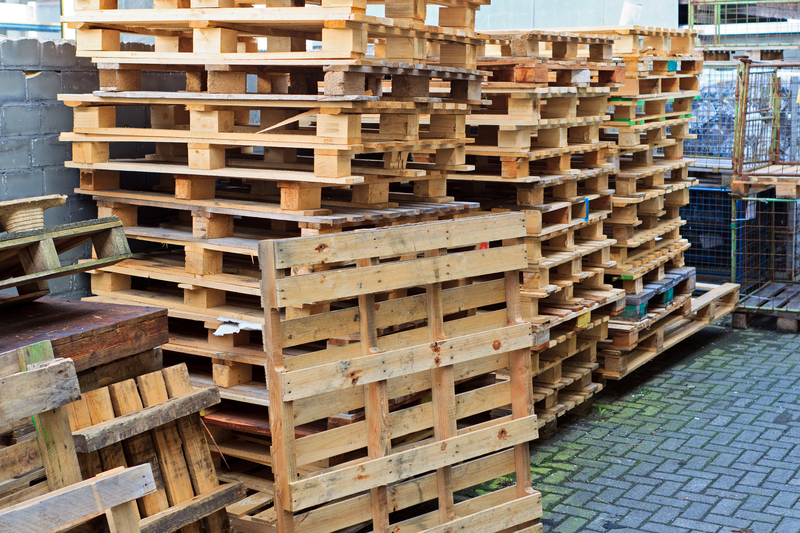
Whether you're composting, reusing, or baling, damp cardboard loses strength and value. Store off the floor on pallets or shelves; cover if condensation is an issue. A cheap hygrometer in the storeroom can be surprisingly useful.
Choose the Right Tape
Switch to paper tape with natural rubber adhesive. It sticks beautifully, is easy to tear, and reduces plastic contamination. Plus, it just looks premium. To be fair, the first roll feels like a treat.
Adopt a "Ready-to-Ship" Zone
Keep standard sizes of reused boxes pre-built, labelled with internal dimensions, and stacked by the bench. It knocks minutes off every order. Little systems compound over time.
Think in Layers
Layer thin sheets for strength, as printers and framers do. A flimsy sheet becomes a rigid protector when doubled or tripled. It's physics, but also a tiny bit magic.
Colour-Coding for Teams
Use coloured stickers: green for reusable, yellow for void fill, red for to bale. New starters learn it in a day. Less faff, fewer questions.
Communicate With Customers
Include a friendly line inside parcels: "We're turning old packaging and cardboard into useful resources--your order may include reused materials." Customers don't mind sensible sustainability. They applaud it.
Common Mistakes to Avoid
- Reusing compromised boxes: if it smells, is damp, or has oil stains, it's out. Don't risk your product or your reputation.
- Over-shredding: creating more void fill than you'll ever use can turn into... more clutter. Match output to demand.
- Skipping documentation: businesses need waste transfer notes and evidence of licensed carriers. We love tidy paperwork.
- Contaminating recycling: film, bubble wrap, or food residue can downgrade the whole batch. Keep streams clean.
- Ignoring ergonomics: lifting heavy bales or stacks awkwardly causes strains. Use trolleys, train safe lifting, share the load.
We've all stuffed "just one more" box onto a wobbling stack and hoped for the best. Yeah, we've all been there. Don't.
Case Study or Real-World Example
Indie Homeware Store, South London
This small retailer receives daily deliveries--lots of medium cartons, tissue, and protective board. Their storeroom used to be chaos. In a single morning, they set up a reuse station and a wall-mounted rack for flat sheets; bought a compact shredder; and wrote a one-page SOP for staff.
- Before: paying for extra general waste collections; buying bubble wrap and new boxes; cramped aisles.
- After (3 months): bubble wrap spend down dramatically; two sizes of reused boxes cover 60% of orders; remaining cardboard baled monthly for a small rebate; aisles clear; team happier.
One small moment stuck with us: it was raining hard outside that day. The manager said, "I can breathe in here now." That's impact you can feel.
Household in Leeds: Compost and Moving Prep
Two adults, one toddler, one cat. They split their boxes into three purposes: kids' play (forts on Saturdays), compost browns for the allotment, and a tidy "moving bank" for friends to borrow. When their neighbour moved, they were heroes with a stack of perfectly flat, labelled boxes. Simple kindness, big smile.
Tools, Resources & Recommendations
Tools to Make Life Easier
- Safety knife with retractable blade: reduces accidents; look for ceramic blades if you want longer life.
- Paper tape & dispenser: natural rubber adhesive; gummed paper with a water-activated dispenser if you want the pro touch.
- Manual/compact baler: for SMEs with regular volumes; check safety features and EN 16500 compliance.
- Cardboard shredder or perforator: turns boxes into flexible, springy cushioning.
- Pallets and covers: to keep cardboard dry off the floor.
- Moisture meter or hygrometer: especially useful in older premises with condensation.
Where to Reuse, Swap, or Recycle
- Local networks: Freecycle, Gumtree, Nextdoor, Facebook groups--offer clean boxes for moving. They'll go in hours.
- Council recycling: check your local authority page for collection rules. Some require lids closed; others accept bundled flats.
- Waste contractors: for businesses, vet providers for licences, transparent pricing, and clear acceptance criteria.
- Community gardens & allotments: often welcome plain cardboard for sheet mulching.
Packaging Choices That Help Later
- Choose uncoated, minimal-ink cardboard where feasible.
- Standardise a few box sizes to simplify reuse and storage.
- Shift from plastic to paper-based void fill and tapes for easier downstream recycling.
- Label reused boxes clearly; a sharpie note like "Reused o still strong" reassures recipients.
Law, Compliance or Industry Standards (UK-focused)
This section helps UK readers navigate the essentials. It's guidance, not legal advice--always confirm details with your local authority or the Environment Agency, SEPA, Natural Resources Wales, or the Northern Ireland Environment Agency.
1) Duty of Care (Environmental Protection Act 1990)
Businesses have a duty of care to manage waste responsibly. That means storing waste securely, preventing escape, and ensuring transfers are only to authorised persons (licensed carriers or permitted facilities). Keep records of where your cardboard goes.
2) Waste (England and Wales) Regulations 2011 and the Waste Hierarchy
You're required to apply the Waste Hierarchy: prevent, prepare for reuse, recycle, other recovery, and only then dispose. Turning old packaging and cardboard into useful resources sits squarely in the top tiers--reuse and recycling.
3) Waste Transfer Notes (WTNs)
Every transfer of non-hazardous waste must be documented. Include a clear description ("Dry mixed cardboard packaging"), European Waste Code (often 15 01 01 for paper/cardboard packaging), quantity, SIC code, and both parties' details. Keep records for at least two years.
4) Packaging Producer Responsibility and EPR
Under the UK's producer responsibility framework (including Packaging Waste Regulations and ongoing Extended Producer Responsibility (EPR) reforms), qualifying producers must report packaging placed on the market and may be liable for fees tied to the cost of managing packaging waste. Check thresholds and timelines--requirements are evolving.
5) Carriers, Brokers and Dealers
If you move waste as part of your business, you may need a waste carrier registration with the Environment Agency (or relevant devolved body). Always verify your contractor's licence and obtain copies for your files.
6) Storage and Fire Safety
Cardboard is combustible. Store away from ignition sources, use clear aisles, and respect premises fire risk assessments. Keep bales and stacks within safe heights and away from exits.
7) Equipment Safety: EN 16500
Balers and compactors should meet EN 16500 safety standards. Train operators; lock out equipment for maintenance; display signage. It sounds obvious, but these are powerful machines--treat them with respect.
8) Local Variations
Recycling collection rules vary by council. Some accept pizza boxes if the base is clean; others don't. When in doubt, check council guidance and err on the side of clean, dry, and plain.
Checklist
Use this quick list to kick-start your cardboard-to-resource routine. Tick them off. Feel the progress.
- Set up three stations: Reuse o Repurpose o Recycle.
- Keep tools handy: safety knife, paper tape, scissors.
- Flatten and de-tape incoming boxes immediately.
- Store cardboard off the floor and out of rain or damp.
- Reserve clean, sturdy boxes for shipping or moving.
- Shred offcuts for void fill; don't overproduce.
- Use plain cardboard for sheet mulching or compost browns.
- Log business waste transfers and verify carrier licences.
- If baling, follow EN 16500 guidance and train staff.
- Communicate your reuse policy to customers and team.
Conclusion with CTA
From chaotic box piles to an elegant, circular system--it's entirely doable. Turning old packaging and cardboard into useful resources gives you cleaner space, lower costs, and a story worth telling. Start with one corner, one stack, one good habit. The rest follows.
Whether you're sending parcels from a spare bedroom or running a bustling warehouse, you can make cardboard work harder and travel further--before it ever sees a recycling truck. That's the circular economy in action, and you don't need a PhD to run it. Just a bit of care and a steady hand with the tape.
Get a free quote today and see how much you can save.
Take a breath. Make a cup of tea. Then sort the first box. It feels better already.
FAQ
What's the quickest way to start turning old packaging and cardboard into useful resources at home?
Set up three simple piles at the door: Reuse (clean, sturdy boxes), Repurpose (sheets for crafts or drawer liners), and Recycle (flat, dry). Keep scissors and a safety knife nearby so you can flatten and de-tape on autopilot.
Is all cardboard recyclable in the UK?
Most plain cardboard is recyclable if it's clean and dry. Avoid heavy food residue, grease, or wet boxes. Glossy or heavily laminated card can be problematic--check local council rules, which vary by area.
Can I compost cardboard?
Yes--use plain, uncoated cardboard as "browns" to balance "greens." Tear it into pieces or use sheets as weed-suppressing mulch. Remove plastic tape and labels first and keep it moist so it breaks down well.
How do businesses earn rebates from cardboard?
By producing clean, baled cardboard of a consistent grade and size, stored dry and free from contamination. Speak with recycling contractors about current market rates and specifications. Keep bales within weight limits and obtain weighbridge tickets for transparency.
What safety standards apply to balers and compactors?
In the UK, look for compliance with EN 16500, which sets safety requirements for balers and compactors. Train operators, follow lockout procedures, and display operating instructions clearly.
What's the best alternative to bubble wrap?
Shredded or perforated cardboard is excellent for void fill and cushioning. Paper honeycomb, crinkle paper, or moulded pulp are also strong, plastic-free options.
Are reused boxes acceptable for shipping to customers?
Absolutely--if they're clean, dry, and structurally sound. Remove old labels, add a clear note explaining your reuse policy, and reinforce with paper tape. Many customers appreciate the honesty and sustainability.
What documents do UK businesses need when transferring waste cardboard?
Use a Waste Transfer Note (or a season ticket for regular collections) with a proper description, EWC code (often 15 01 01), quantity, SIC code, and details of both parties. Keep records for at least two years and verify your carrier's licence.
How can I keep stored cardboard from getting damp?
Store off the floor on pallets or shelving, avoid external walls with condensation, and cover stacks if humidity is high. A small dehumidifier or better airflow in older buildings can make a big difference.
What are common contaminants to avoid in cardboard recycling?
Plastic films, bubble wrap, food residue, greasy pizza bases, and laminated layers. Remove tape where you can and keep the stream as clean as possible to maintain its value.
Can I use printed or coloured cardboard for compost?
Small amounts of printed cardboard are usually fine, but go easy on heavily inked or glossy pieces. Plain brown corrugate is best. If in doubt, recycle printed card and compost the plain sections.
How do I know if a reused box is strong enough?
Check for crushed corners, creases, moisture, and odours. If the fluting feels crisp and the sides don't bow when gently pressed, you're likely good. For heavier loads, double-wall or new boxes may be safer.
What's the simplest KPI for a small business to track?
Start with two numbers: percentage of orders shipped in reused boxes and monthly spend on new packaging. If the first goes up and the second goes down, you're winning.
Is there a right time to invest in a baler?
Typically when you produce steady volumes of cardboard, have storage space, and can secure a reliable collection at fair rates. If you're filling several large bins weekly, it's worth a cost-benefit review.
Any quick tips for moving house with reused boxes?
Flatten and store 5-6 weeks ahead, label sizes, and keep a "fragile kit" (paper tape, marker, tissue). Reinforce handles and double-tape the base. After the move, offer them to neighbours--instant goodwill.
Final note: policies and markets change. For the latest UK guidance, consult your local council and the relevant environmental agency. And remember--small, steady steps beat grand plans left on paper.